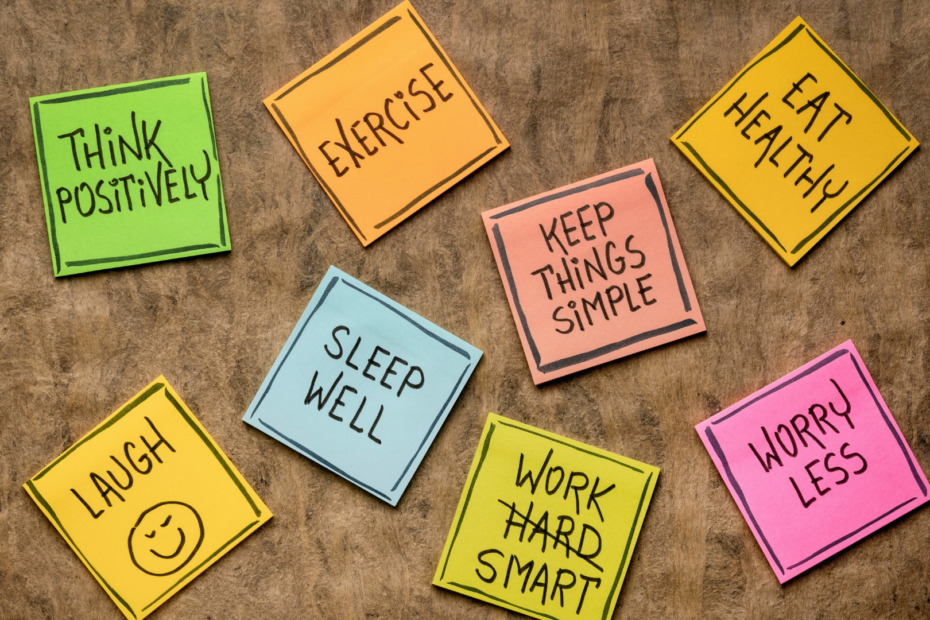
Living a healthy lifestyle as an adult involves simple but consistent habits that support both physical and mental well-being. Eating balanced meals, staying physically active, and managing stress are key components of maintaining health over time.
Incorporating these habits doesn’t require drastic changes; small, manageable adjustments can lead to significant improvements. Understanding the essentials of sleep quality, hydration, and regular check-ups further strengthens overall health.
Adopting healthy habits can enhance energy, mood, and longevity. This article will explore straightforward strategies adults can use to build a sustainable, healthy lifestyle.
Understanding Healthy Lifestyle Habits
Healthy lifestyle habits revolve around consistent behaviors that support physical, mental, and emotional well-being. These habits impact daily routines and long-term health, shaping quality of life and disease prevention.
Defining a Healthy Lifestyle
A healthy lifestyle includes balanced nutrition, regular physical activity, adequate sleep, and stress management. It is not about perfection but making informed, sustainable choices. For example, choosing whole foods over processed options, exercising at least 150 minutes per week, and maintaining social connections are key elements.
Avoiding harmful behaviors such as smoking or excessive alcohol also plays a significant role. A healthy lifestyle adapts to individual needs and circumstances while focusing on steady improvements rather than quick fixes.
Long-Term Benefits for Adults
Consistent healthy habits reduce the risk of chronic diseases such as heart disease, diabetes, and certain cancers. Adults who maintain these habits often experience improved energy levels, better mental clarity, and emotional stability.
Maintaining a healthy weight and promoting cardiovascular fitness supports mobility and independence as people age. Quality sleep and stress control lower risks of anxiety and depression, contributing to overall life satisfaction.
Healthy habits also reduce healthcare costs and improve productivity, making positive lifestyle changes valuable beyond personal health.
Common Myths Debunked
Myth 1: Healthy living requires extreme dieting or intense workouts. In reality, moderate changes like adding fruits to meals or walking daily can yield significant benefits.
Myth 2: Skipping meals helps with weight loss. Skipping meals often leads to overeating later and slows metabolism, hindering weight control.
Myth 3: Supplements can replace a balanced diet. Whole foods provide a complex mix of nutrients that supplements alone cannot match.
Understanding facts helps avoid discouragement and supports realistic approaches to health improvement.
Establishing Nutritious Eating Patterns
Eating habits that support health depend on meal composition, managing how much is consumed, and choosing snacks wisely. These elements work together to maintain energy, support body functions, and prevent overconsumption.
Creating Balanced Meals
A balanced meal includes a source of protein, healthy fats, complex carbohydrates, and vegetables. Proteins such as lean meat, beans, or tofu support muscle maintenance. Whole grains like brown rice or quinoa provide steady energy release.
Vegetables should cover at least half the plate to supply fiber, vitamins, and minerals. Healthy fats, from sources like olive oil, nuts, or avocado, help with nutrient absorption and hormone regulation.
Using a simple plate method helps:
- 50% vegetables
- 25% protein
- 25% whole grains or starchy vegetables
This distribution encourages nutrient diversity and controlled calorie intake.
Portion Control Strategies
Eating appropriate portion sizes prevents excess calorie consumption without the need to eliminate any food groups. Using smaller plates and bowls can trick the brain into feeling satisfied with less food.
Reading nutrition labels helps estimate serving sizes accurately. Common household measurements, such as a fist for a cup or a thumb for a tablespoon of fat, provide practical guides.
Eating slowly and paying attention to hunger cues reduces the risk of overeating. Pausing halfway through meals to assess fullness can be effective.
Snacking with Purpose
Snacks should complement meals and prevent energy dips. Choosing nutrient-dense options like nuts, yogurt, or fresh fruit adds vitamins and minerals while curbing hunger.
Avoid snacks high in added sugars or unhealthy fats, as they contribute to weight gain and energy crashes. Preparing snacks ahead of time ensures healthy choices are available and reduces impulsive eating.
Aim for snacks combining protein and fiber to promote fullness, such as apple slices with almond butter or carrot sticks with hummus. This supports sustained energy between meals.
Incorporating Regular Physical Activity
Physical activity should target heart health, muscle strength, and flexibility. These elements work together to improve endurance, balance, and overall function.
Cardiovascular Exercises
Cardiovascular exercises increase heart rate and improve lung capacity. Activities like brisk walking, jogging, cycling, and swimming elevate the heart rate for at least 150 minutes per week, as recommended by health authorities.
Aim for sessions of 30 minutes, five days a week. This can be broken into shorter intervals, such as three 10-minute walks daily. Consistency is more important than intensity for long-term benefits.
Benefits include improved circulation, reduced risk of heart disease, better weight management, and increased energy. Track progress with heart rate monitors or step counters to maintain motivation.
Strength Training for Adults
Strength training builds and maintains muscle mass, which naturally declines with age. Use resistance bands, free weights, or body-weight exercises like squats and push-ups.
Plan two or more sessions weekly, focusing on all major muscle groups: legs, hips, back, abdomen, chest, shoulders, and arms. Perform 2-3 sets of 8-12 repetitions per exercise.
This type of training improves bone density, metabolic rate, and posture. It also supports joint health by strengthening muscles around vulnerable areas.
Flexibility and Mobility Routines
Flexibility exercises maintain range of motion and reduce injury risk. Incorporate static stretching after workouts and dynamic stretching as part of warm-ups.
Mobility routines, such as yoga or tai chi, promote joint health and balance. They improve coordination, reduce stiffness, and enhance everyday functional movement.
Daily practice of 10-15 minutes can prevent stiffness and improve posture. Focus should be on major joints like hips, shoulders, and spine to support overall mobility.
Prioritizing Mental Well-being
Maintaining mental health requires practical habits that reduce tension and improve focus. Developing daily routines to calm your mind, recognize stress triggers, and seek help when needed supports long-term emotional balance.
Managing Stress Effectively
Stress impacts physical and mental health negatively, so recognizing signs early is essential. Techniques such as time management, setting clear boundaries, and prioritizing tasks help avoid feeling overwhelmed.
Physical activity plays a key role in stress management by releasing endorphins. Even short, regular exercise sessions can lower stress hormones like cortisol.
Keeping a journal to track stressors and responses also helps identify patterns. This provides insight into solutions tailored to specific stress triggers.
Mindfulness and Meditation
Mindfulness involves focusing attention on the present moment without judgment. Practicing mindfulness daily can enhance emotional regulation and reduce anxiety.
Meditation methods vary but often include deep breathing, guided imagery, and body scans. These techniques promote relaxation by activating the parasympathetic nervous system.
Consistency is critical—starting with 5 to 10 minutes per day can build the habit. Apps or classes can support beginners in establishing an effective routine.
Seeking Professional Support
Recognizing when self-care isn’t enough is important. Licensed therapists and counselors provide tailored interventions for depression, anxiety, and other mental health concerns.
Options include cognitive-behavioral therapy (CBT), medication management, and support groups. Professional help can offer new coping strategies and prevent symptom escalation.
Confidentiality and safety in mental health services encourage honest communication. Reaching out early improves outcomes and should not be delayed due to stigma or uncertainty.
Optimizing Sleep Hygiene
Prioritizing regular timings and a supportive environment are essential for improving sleep quality. These elements work together to regulate your body’s internal clock and create conditions conducive to restful sleep.
Establishing Consistent Sleep Schedules
Going to bed and waking up at the same time every day strengthens your circadian rhythm. This helps your body know when to produce sleep hormones, making it easier to fall asleep and wake up naturally.
Avoid varying sleep times by more than an hour on weekdays and weekends. Set alarms not only for waking but also for winding down. Aim for 7 to 9 hours of sleep each night.
Limit naps to 20-30 minutes and avoid late afternoon naps that disrupt nighttime sleep. Consistency signals your body when to rest, improving overall sleep efficiency and daytime alertness.
Creating a Sleep-Friendly Environment
The bedroom should be cool, quiet, and dark, ideally 60 to 67°F (15 to 19°C). Use blackout curtains or eye masks to block light, as exposure suppresses melatonin production.
Reduce noise with white noise machines or earplugs, especially if living in noisy areas. Choose a comfortable mattress and pillows suited to your preferred sleep position.
Limit electronic devices before bed; blue light from screens interferes with melatonin release. Keep the bedroom for sleep and intimacy only, avoiding work or entertainment activities to strengthen the mental association with rest.
Promoting Healthy Social Connections
Building and maintaining supportive social networks can positively impact mental and physical health. Being actively involved with others helps reduce stress, improve mood, and provide a sense of belonging.
Nurturing Relationships
Consistent communication with family and close friends strengthens emotional bonds. Scheduling regular catch-ups, whether in person or virtually, can sustain these connections. Showing genuine interest and practicing active listening enhances mutual trust.
Address conflicts calmly and respectfully. Avoid letting issues linger. Small acts of kindness, like sending a thoughtful message or helping with tasks, foster goodwill and reinforce ties.
Quality matters more than quantity. Choose relationships that encourage positive interactions and support personal growth. Distance and busy schedules need not prevent meaningful contact; even brief, meaningful exchanges benefit well-being.
Engaging in Community Activities
Participating in local clubs, volunteer groups, or hobby classes expands social circles beyond immediate relationships. These interactions provide opportunities for shared experiences and learning new skills.
Volunteering regularly connects individuals with a common purpose, enhancing feelings of accomplishment and reducing loneliness. Community involvement also supports mental sharpness and physical activity.
Use tools like community boards or online platforms to find events aligned with personal interests. Consistent participation allows deeper integration and fosters long-term connections, contributing to sustained social health.
Avoiding Risky Behaviors
Maintaining physical health depends greatly on minimizing habits that increase disease risk. Careful choices regarding substances help protect long-term well-being and cognitive function.
Tobacco and Substance Avoidance
Tobacco use is linked to lung cancer, heart disease, stroke, and chronic respiratory conditions. Quitting smoking reduces these risks progressively. Exposure to secondhand smoke also causes health issues, making avoidance important for everyone.
Avoiding recreational drugs lowers the chance of addiction, mental health problems, and impaired judgment. Prescription drugs should be used only as directed by healthcare providers to prevent misuse.
Tips to reduce risk:
- Seek professional help to stop smoking or substance abuse
- Attend support groups or therapy sessions
- Use resources like quitlines or online programs
- Avoid environments where tobacco or drugs are present
Moderate Alcohol Consumption
Alcohol impacts liver function, cardiovascular health, and cognitive abilities. Moderation limits these effects. The recommended limit is up to one standard drink per day for women and two for men.
Drinking more than this regularly raises the risk of liver disease, hypertension, and certain cancers. Binge drinking episodes cause acute problems like accidents and alcohol poisoning.
Key points for safer drinking:
- Track intake and days without alcohol
- Choose non-alcoholic beverages at social events
- Never drink before driving or operating machinery
- Consult a doctor if alcohol use feels difficult to control
Maintaining Health Monitoring Routines
Consistent attention to health data and professional evaluations is essential to identify risks early and make informed decisions. Using reliable methods to track your health can support long-term well-being.
Regular Health Screenings
Adults should schedule routine screenings based on age, sex, and risk factors. Common exams include blood pressure checks, cholesterol tests, blood sugar levels, and cancer screenings such as mammograms or colonoscopies.
Screening frequency varies: blood pressure every 1-2 years, cholesterol every 4-6 years, and colonoscopy starting at age 45 for average-risk adults. Discuss personal risk factors with a healthcare provider to tailor these schedules.
Immunizations like flu and tetanus shots also fall under preventive care. Timely screenings detect problems like hypertension or diabetes before symptoms occur, enabling earlier intervention.
Tracking Personal Health Metrics
Daily or weekly tracking of measurable health indicators helps maintain control over physical condition. Common metrics include weight, resting heart rate, sleep duration, and physical activity.
Use apps or wearable devices to reliably record these data points. For example, monitoring resting heart rate trends can indicate cardiovascular health changes. Tracking sleep quality supports identifying patterns that affect energy and mood.
Keeping a log of nutrition intake and water consumption can also aid in managing weight and hydration. Reviewing these metrics regularly enhances awareness and encourages timely adjustments to lifestyle choices.
Building Sustainable Habits
Creating lasting lifestyle changes involves clear planning and a realistic approach to what can be achieved. Identifying obstacles and planning how to address them increases the chance of success. This process requires focus on specific, manageable steps rather than lofty ideals.
Setting Realistic Goals
Start by defining goals that match your current lifestyle and available time. For example, instead of aiming to exercise daily for an hour, begin with 15 minutes three times a week. Gradually increase intensity and duration as fitness improves.
Use the SMART framework to guide goal setting:
| Criteria | Description |
| Specific | Clear and detailed target |
| Measurable | Quantifiable outcomes |
| Achievable | Realistic for your situation |
| Relevant | Aligned with personal values |
| Time-bound | Set within a specific timeline |
Tracking progress in a journal or app can keep motivation high. Adjust goals if they feel too easy or too hard. Small, consistent improvements build strong habits over time.
Overcoming Common Barriers
Common barriers include lack of time, motivation dips, and environmental distractions. Address time issues with scheduling: block specific periods for activities like meal prep or exercise.
When motivation falls, remind yourself of the benefits tied to your goals, such as better energy or improved mood. Using cues or triggers, like placing workout clothes by your bed, can prompt action automatically.
Environmental control helps. Remove unhealthy snacks from the home or limit screen time during evenings. Finding support from friends or joining groups can provide accountability and encouragement. Recognizing these barriers and planning solutions reduces the chance of abandoning new habits.
Adapting to Life Changes
Life changes can impact a person’s health and daily routines. Adapting healthy habits during these shifts is essential to maintain well-being and prevent stress-related issues.
Common life changes include moving to a new place, starting a new job, or experiencing family transitions. Each requires adjustments in sleep, diet, and physical activity to stay healthy.
A simple strategy is to focus on small, consistent actions rather than large, sudden changes. For example, establish a regular bedtime even if your daily schedule changes.
Here are key points to consider:
| Life Change | Healthy Adaptation Tips |
| New Job | Schedule breaks to move and hydrate |
| Relocation | Explore local grocery options for fresh foods |
| Family Addition | Prioritize meal planning and sleep routines |
Stress often accompanies life changes. Practice mindfulness, deep breathing, or short walks to manage it effectively.
Maintaining social connections also helps during transitions. Support from friends or community programs can ease adjustments.
Adjusting your physical activity to fit new time constraints keeps your body active. Even 10 minutes of exercise daily can improve mood and energy.
Flexibility with your routines is important, but keep core habits like balanced nutrition and adequate rest consistent. This balance supports long-term health through any life stage.