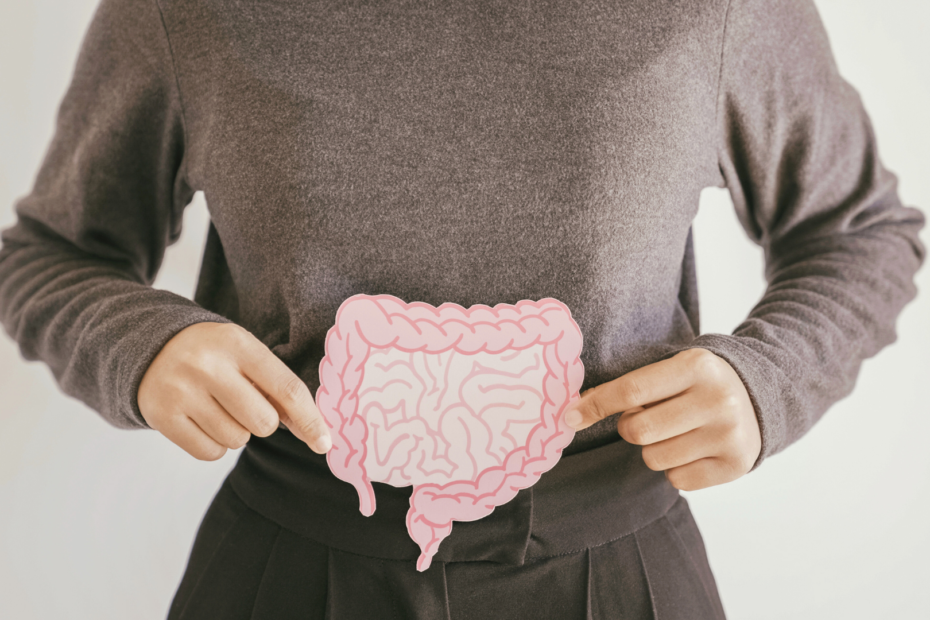
Maintaining digestive health is essential for overall well-being, and simple daily habits can make a significant difference. Eating a balanced diet rich in fiber, staying hydrated, and managing stress are key habits that support healthy digestion.
Avoiding processed foods, eating at regular intervals, and incorporating physical activity also contribute to keeping your digestive system functioning smoothly. Understanding and applying these habits can help prevent common issues like bloating, constipation, and discomfort.
Understanding Digestive Health
Proper digestion relies on a coordinated process that breaks down food into nutrients for the body. Various issues can disrupt this system, often linked to diet and lifestyle choices that directly affect digestive function.
The Digestive System Explained
The digestive system is a complex network consisting mainly of the mouth, esophagus, stomach, small intestine, large intestine, liver, pancreas, and gallbladder. Each organ has a specific role, such as breaking down food, absorbing nutrients, or eliminating waste.
Food moves through the system via a process called peristalsis—muscle contractions that push contents along. Enzymes and acids facilitate chemical digestion, primarily in the stomach and small intestine.
Healthy digestion depends on the proper timing and efficiency of these processes. Disruptions can reduce nutrient absorption or lead to discomfort like bloating or constipation.
Common Digestive Health Concerns
Frequent digestive issues include acid reflux, irritable bowel syndrome (IBS), constipation, and diarrhea. Acid reflux occurs when stomach acid flows back into the esophagus, causing heartburn.
IBS affects the intestines, triggering symptoms like cramping, bloating, and irregular bowel movements. Constipation and diarrhea represent extremes in bowel function, often stemming from diet or hydration imbalances.
Chronic digestive problems may indicate underlying conditions such as infections, inflammation, or food intolerances. Identifying specific symptoms and patterns is key to effective management.
How Diet Influences Digestion
Diet profoundly impacts digestion by providing substrate for the gut microbiota and influencing motility and secretion. Fiber-rich foods like vegetables, fruits, and whole grains promote regular bowel movements and feed beneficial bacteria.
Fatty or highly processed foods can slow digestion and increase acid production, raising the risk of reflux. Hydration plays a critical role, as water helps soften stool and supports enzyme function.
Fermented foods supply probiotics that may improve gut balance. Limiting irritants such as caffeine, alcohol, and artificial sweeteners can reduce digestive distress.
Essential Healthy Habits for Digestion
Maintaining good digestive health relies on specific actions related to diet, hydration, eating behavior, and timing. Each habit supports the digestive system’s efficiency and helps prevent discomfort or illness.
Balanced Nutrition Choices
A diet rich in fiber, including fruits, vegetables, and whole grains, promotes regular bowel movements and supports gut bacteria. Incorporate both soluble fiber (oats, apples) and insoluble fiber (nuts, seeds) for optimal results.
Limit processed foods high in sugar and unhealthy fats, as they can disrupt digestion and increase inflammation. Including lean proteins and healthy fats like olive oil or avocados can aid nutrient absorption and enzyme function.
Probiotic foods such as yogurt or fermented vegetables introduce beneficial bacteria, improving digestion and immune response. Avoid excessive caffeine and alcohol, which may irritate the digestive tract.
Adequate Hydration
Water is essential for breaking down food and absorbing nutrients. Aim for at least 8 cups (64 ounces) daily, adjusting for activity level and climate.
Hydration softens stool, reducing the risk of constipation. Avoid sugary drinks and excessive caffeine that can dehydrate the body.
Drink water steadily throughout the day instead of large amounts at once. Herbal teas can provide additional digestive benefits, but avoid those with laxatives regularly.
Mindful Eating Practices
Eating slowly and chewing thoroughly allows digestive enzymes to break down food more efficiently. This reduces strain on the stomach and intestines.
Eliminate distractions such as screens to focus on hunger and fullness cues, helping to prevent overeating. Smaller, more frequent meals can ease digestion for some individuals.
Pay attention to food intolerance or sensitivity signals like bloating or gas to identify problematic items. Mindful eating supports better digestion and nutrient absorption.
Consistent Meal Times
Establish regular meal schedules to help regulate the digestive system’s rhythm. Eating meals at similar times daily can improve metabolism and enzyme release.
Avoid skipping meals, which may cause overeating later and disrupt stomach acid balance. Set meal time windows that accommodate your lifestyle but maintain consistency.
This habit also helps manage blood sugar levels, indirectly supporting digestive health by preventing excessive insulin spikes.
Physical Activity and Gut Health
Regular movement supports the digestive system by enhancing blood flow, stimulating intestinal muscles, and regulating bowel function. Additionally, managing mental stress through physical activity affects the gut-brain axis, which influences digestion and gut health.
Exercise for Digestive Function
Physical activity increases heart rate and blood circulation, which helps deliver oxygen and nutrients to the digestive tract. This process promotes efficient digestion and helps move food through the intestines, reducing constipation risk.
Moderate aerobic exercises like walking, cycling, or swimming performed for 30 minutes daily can improve gut motility. Resistance training may also support digestive health by enhancing muscle tone, including the muscles around the abdomen.
However, intense or prolonged exercise immediately after eating might delay digestion or cause discomfort. It’s best to time workouts to avoid heavy meals before physical activity.
Managing Stress and the Gut Connection
Stress negatively impacts gut function by altering the gut microbiome and increasing inflammation. Physical activity triggers the release of endorphins, which help reduce stress and improve mood.
Practices like yoga and tai chi combine movement with mindfulness, which directly benefits the gut-brain axis. Regular exercise reduces cortisol levels, decreasing gut sensitivity and improving symptoms like bloating and irritable bowel syndrome.
Adopting regular stress-management exercise routines supports balanced digestive function by maintaining a healthier gut environment and regulating hormone responses linked to stress.
Gut Microbiome Support
A balanced gut microbiome plays a crucial role in digestion, immune function, and nutrient absorption. Supporting beneficial bacteria requires targeted food choices and consistent dietary habits.
Role of Probiotics and Prebiotics
Probiotics are live microorganisms that, when consumed in adequate amounts, provide health benefits by maintaining or restoring the gut flora. Common sources include yogurt, kefir, sauerkraut, and other fermented foods. Supplements also deliver specific strains like Lactobacillus and Bifidobacterium, linked to improved digestion and reduced inflammation.
Prebiotics are non-digestible fibers that feed beneficial bacteria, promoting their growth and activity. Foods rich in prebiotics include garlic, onions, leeks, asparagus, and bananas. Together, probiotics and prebiotics create an environment that supports microbial diversity, which is key to digestive health.
Fiber-Rich Food Sources
Dietary fiber is essential for gut health as it adds bulk to stool and improves bowel regularity. Soluble fiber dissolves in water and ferments in the colon, feeding good bacteria, while insoluble fiber adds bulk and speeds up transit.
High-fiber foods include whole grains, legumes, fruits, and vegetables. For example:
| Food Group | Example Foods | Fiber Type |
| Whole Grains | Oats, barley, brown rice | Soluble & Insoluble |
| Legumes | Lentils, chickpeas, black beans | Soluble & Insoluble |
| Vegetables | Broccoli, carrots, Brussels sprouts | Mostly Insoluble |
| Fruits | Apples, berries, pears | Mostly Soluble |
Gradually increasing fiber intake and drinking enough water enhances its effectiveness and minimizes discomfort.
Lifestyle Factors Impacting Digestion
Daily habits such as sleep patterns and substance intake strongly influence digestive function. Adjusting these factors can improve gut motility, enzyme production, and overall nutrient absorption.
Sleep Quality and Digestive Efficiency
Adequate sleep, typically 7-9 hours per night, is essential for digestive health. Poor sleep disrupts the production of digestive hormones like ghrelin and leptin, which regulate appetite and digestion.
Lack of sleep also slows gastrointestinal motility. This can cause symptoms like bloating, constipation, and acid reflux. Consistent sleep schedules help maintain a balanced gut microbiome, supporting immune function and nutrient processing.
Good sleep hygiene practices include avoiding screens before bed, keeping the room cool and dark, and limiting heavy meals late at night. Prioritizing sleep supports efficient digestion and reduces the risk of gastrointestinal disorders.
Limiting Alcohol and Caffeine
Alcohol irritates the digestive tract lining, increasing acid production and inflammation. Excessive drinking can lead to conditions like gastritis, acid reflux, and impaired nutrient absorption.
Caffeine stimulates gastric acid secretion, which can worsen symptoms for people with acid reflux or ulcers. Moderate caffeine intake (up to 400 mg daily) is generally safe but should be avoided close to bedtime or on an empty stomach.
Limiting alcohol and caffeine reduces digestive stress. Substituting with water, herbal teas, or decaffeinated options helps maintain hydration and lowers irritation risk.
Recognizing Signs of Digestive Issues
Digestive problems often present through specific symptoms that can indicate the severity of an issue. Identifying these signs early helps manage conditions effectively and avoid complications.
When to Consult a Healthcare Professional
Seek medical advice if you experience persistent abdominal pain, especially if it lasts more than a few days or is severe. Symptoms such as unexplained weight loss, chronic diarrhea or constipation, and blood in stool require prompt evaluation.
Other warning signs include difficulty swallowing, persistent heartburn, or sudden changes in bowel habits. These could indicate underlying conditions like infections, inflammation, or even malignancies.
If over-the-counter remedies do not improve symptoms within a week or if you develop systemic signs such as fever, fatigue, or jaundice, consult a healthcare professional immediately. Early diagnosis is key to effective treatment.
Long-Term Strategies for Optimal Digestive Health
Maintaining digestive health over time requires consistent lifestyle choices. A balanced diet rich in fiber, such as fruits, vegetables, and whole grains, supports regular bowel movements and healthy gut bacteria.
Hydration plays a vital role. Drinking adequate water daily helps soften stool and prevent constipation. Avoid sugary drinks and excessive caffeine, which can disrupt digestion.
Regular physical activity promotes healthy digestion by stimulating intestinal muscles. Aim for at least 30 minutes of moderate exercise most days of the week.
Stress management is also important. Chronic stress can interfere with gut function and increase sensitivity to pain. Practices like mindfulness, yoga, or deep breathing can help maintain balance.
Below are key habits for long-term digestive wellness:
| Habit | Benefit | Frequency |
| High-fiber foods | Supports gut microbiota | Daily |
| Adequate water | Prevents constipation | 8+ cups daily |
| Regular exercise | Enhances intestinal motility | 5+ times per week |
| Stress reduction | Lowers digestive discomfort | As needed/daily |
| Limiting processed foods | Reduces inflammation | Regularly |
Consistency in these habits helps prevent common issues like bloating, constipation, and irregularity. Adjustments may be necessary across different life stages or health conditions to maintain optimal function.